Skip to content

Services

Applications, AI, fintech, agriculture, and the APIs that connect them.

We build customer applications, AI features, financial software, farm systems, integrations, and training for teams adopting AI.

What we build.

Most projects combine more than one area. We start with the workflow and the people doing it, then decide what to build.

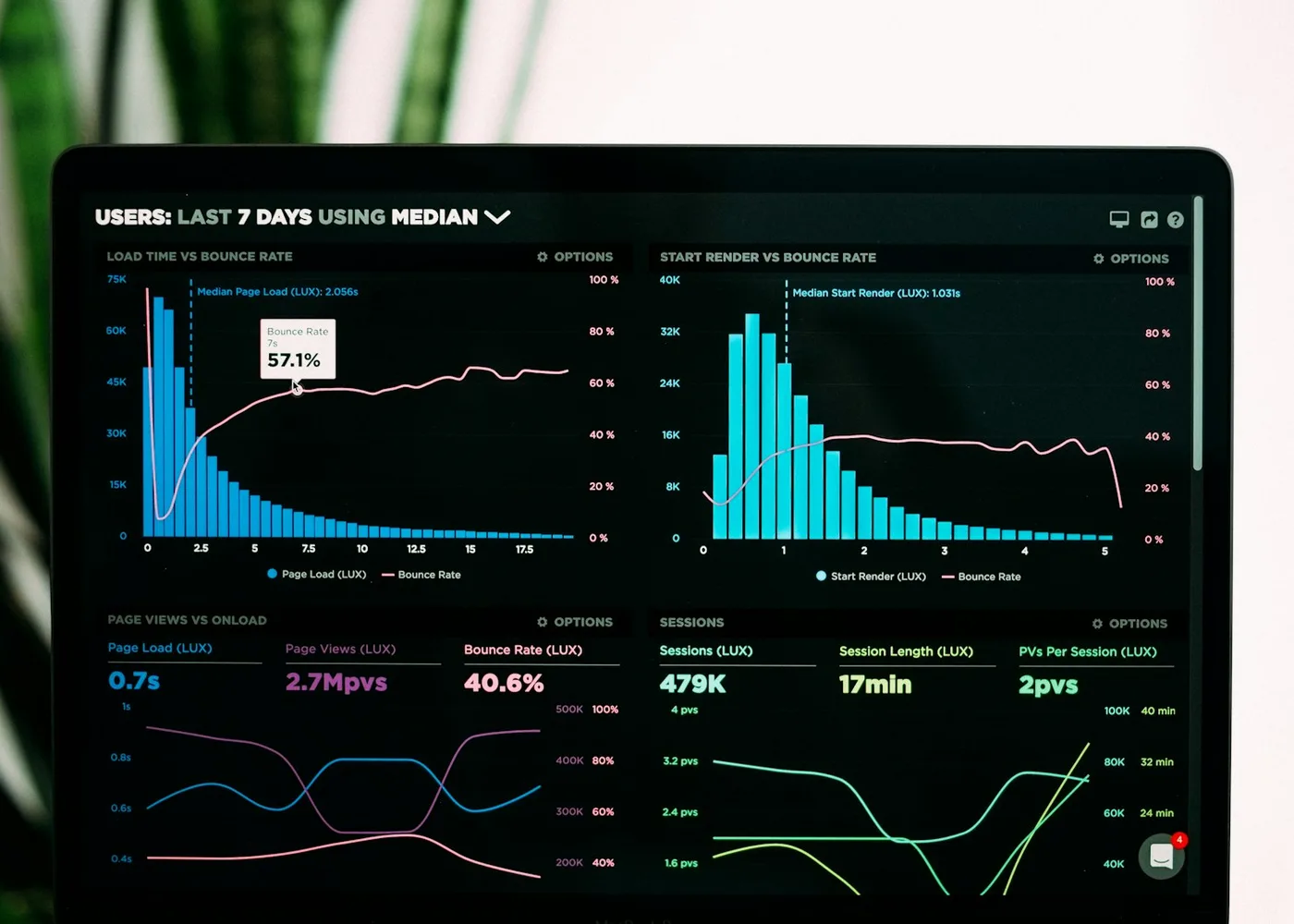
Operations dashboard showing live metrics and charts on a laptop screen

Applications and operations systems

Customer portals, internal tools, and line-of-business applications shaped by the workflow they support.

Related work

Analytiq, a self-hosted analytics workspace, a multi-user project workspace, and Mesob's restaurant operations layer.

Typical scope

  • Application architecture and data model
  • Production frontend and backend
  • Role-based workflows, reporting, and deployment
Discuss this
Abstract three-dimensional AI lettering surrounded by a data network

AI systems and automation

Practical AI features that fit an existing workflow: assistants, retrieval, document processing, agents, and the evaluation needed to trust them.

Related work

Cue, an open-source real-time copilot, and Analytiq's AI chat interface.

Typical scope

  • Use-case selection and model evaluation
  • Retrieval, tool use, and workflow integration
  • Guardrails, observability, and cost controls
Discuss this
Person holding a bank card while working on a laptop

Fintech software

Wallet, payment, and card software where balances, transaction state, and reconciliation have to be correct.

Related work

Velox, a virtual card wallet architecture with a ledger, FX conversion, and card-issuing integration.

Typical scope

  • Wallet and ledger design
  • Payment and card-provider integrations
  • Reconciliation, permissions, and audit trails
Discuss this
Dairy cows standing in a field at sunset

Agriculture and field operations

Software for farms and agricultural teams: production records, inventory, deliveries, customer billing, and the mobile workflows used in the field.

Related work

Dairy, a farm operations system covering herd records, milk production, deliveries, billing, and payments.

Typical scope

  • Field and back-office workflows
  • Production, inventory, and delivery records
  • Billing, payments, and operational reporting
Discuss this
Code editor open on a laptop in a dark room

APIs and integrations

APIs, data models, and integrations that let separate systems exchange information without fragile manual work.

Related work

NodeStack, a tenant-aware service architecture with authentication, audit logging, and notifications.

Typical scope

  • API design and documentation
  • Integration services and background jobs
  • Failure handling, retries, and observability
Discuss this
Instructor leading a training session with a room of participants

AI training

Practical training for teams that need to use AI well: model selection, prompting, tool use, evaluation, data handling, and internal guidelines.

Related work

Sessions delivered around a team's current tools and workflows, with working examples.

Typical scope

  • Role-specific workshops and working sessions
  • Prompt, evaluation, and review standards
  • Internal usage guidance and rollout plan
Discuss this

How an engagement works

How a project moves.

Each stage produces something you can review: a defined problem, an agreed scope, a working release, and a supported handover.

Understand the work

We start with the workflow, the people, and the constraints. You get a written understanding of the problem before scope or design is proposed.

Define the system

We define the data, roles, edge cases, and smallest useful release. You approve the scope before build starts.

Build in the open

We work in short increments and share working software as it takes shape. Decisions are made against the product, not a document.

Stay available

We hand over a documented system and stay available for fixes, maintenance, and improvements. Support terms are agreed before launch.

Common questions

Practical answers.

If your question is not here, send it directly. We would rather answer honestly than promise a fit that is not there.

Ask a question
What kind of projects does Elyonox take on?

We work on applications, operations systems, AI features, fintech software, agriculture software, APIs, and AI training. We take on work where there is a clear operational problem and a team that wants software built around how the work happens.

Do you build AI systems?

Yes. We build assistants, retrieval and document workflows, automation, and AI features inside existing products. We also help teams evaluate models, handle failures, control cost, and decide where AI should not be used.

Do you work in fintech or agriculture?

Yes. Our related work includes Velox, a virtual card wallet architecture, and Dairy, a farm operations system for herd records, production, deliveries, billing, and payments. We are careful about regulated claims and will be direct about what we can verify.

Do you offer AI training?

Yes. We run practical sessions around a team's current tools and workflows. The goal is not a generic AI overview; it is a shared standard for prompting, review, data handling, evaluation, and when a person must stay in the loop.

Can you work with an existing codebase?

Yes. We start with a review of the current architecture, constraints, and delivery history. If the right move is to stabilize and improve what exists, we will say so. If a rebuild is justified, we will explain why.

How do you price projects?

We define scope first, then agree on a fixed-scope engagement or an ongoing arrangement. We do not publish a rate card because the shape of the work varies. Tell us the problem, the constraints, and the timeline, and we will be direct about fit.

Do you provide support after launch?

Yes. We can hand over a documented system, remain available for fixes, or take on ongoing maintenance and improvement. The arrangement is agreed before launch so there is no ambiguity about what comes next.

Start a conversation

Tell us what the system needs to do.

A short description of the workflow, the people involved, and the constraint that matters most is enough to start.